Blog

Practical advice on forecasting, cash flow, and planning, plus templates, walkthroughs, and strategies you can apply straight away.

  • What is Deferred Revenue in Finance?

    Deferred revenue is a critical aspect of financial management. However, it often poses significant challenges in accurate forecasting and tracking. For businesses that offer SaaS products or subscription based services, understanding and effectively managing deferred revenue becomes incredibly important for sustainable growth and financial stability.


  • What are the Top 10 Business Plan Components?

    Acknowledging that your business needs a precise, adaptable business plan can be the first step to growth. Business plans can be large, data heavy, and confusing, so within this article, we will focus on ten key components that form the backbone of a successful business plan.

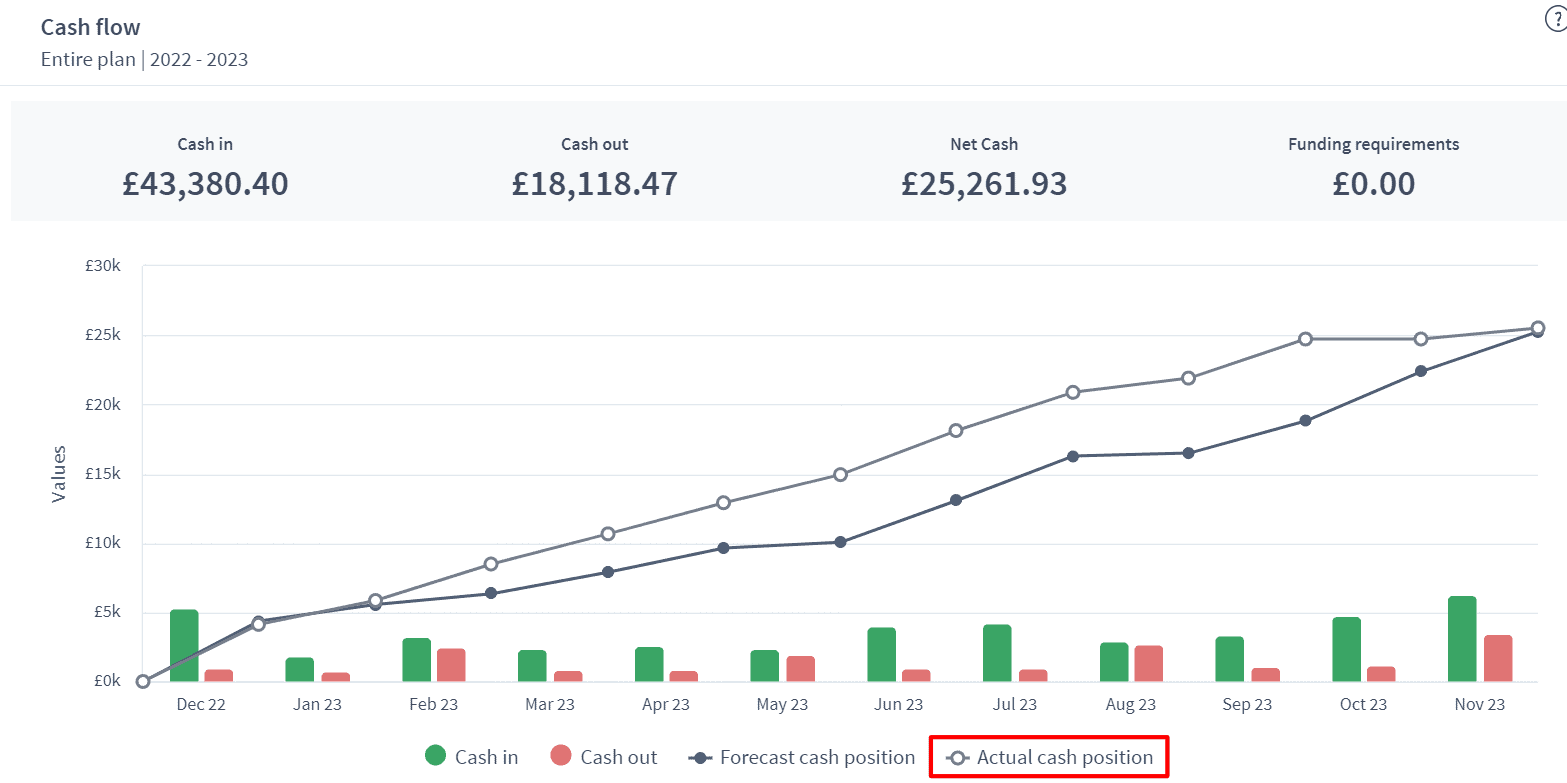
  • What are Actuals in Finance?

    Within the realm of finance, there are hundreds of different types of formulas, concepts, and reports that you may not be familiar with. Actuals might be one of these. In this article we will provide a clear and simple understanding of actuals in finance, highlighting their significance in assessing true financial performance.

  • How to Build a Financial Model: Steps, Tips, and Tricks

    Creating a robust financial model is a critical skill for businesses. Whether you’re a seasoned financial analyst or a new business owner looking to gain a deeper understanding of potential financial situations, building a model provides you with the framework to analyze future financial performance. This article serves as a comprehensive guide to help you to understand the key components of financial models, alongside best practices to set them up.

  • Learn how you can set up an established business in Brixx

    Do you have an established business? If you do, it’s important to have a financial plan. The good news is – creating a robust financial model is generally easier for existing business than for startups. As many of our customers are planning existing businesses in this article I’m going to give some tips and advice for planning these businesses in Brixx.

  • Reducing The SME Administrative Burden

    The burden of excessive bureaucracy is one of the leading causes of lost productivity for businesses. Admin, record keeping and infrastructure are necessities and can’t be avoided. But many of them can be improved.

  • The Importance of a 3-Way Forecast for your Business

    Effective financial planning is absolutely essential for a business’ sustained success. One such tool that can help to empower your business is the 3-way forecast. In this article, we delve into the importance of a 3-way forecast, taking a look at its components, exploring its strategic applications, and highlighting its pivotal role in shaping a resilient and forward-thinking business strategy.

  • Are Financial Forecasts Accurate?

    Financial forecasting is critical for all businesses. However, the accuracy of these forecasts is a topic of ongoing debate. This article delves into the challenges surrounding financial forecasting, explores the factors influencing its accuracy, and discusses how to best and most accurately create accurate forecasts.

    Financial analysis tools including a calculator and caliper on financial documents.
  • Business plan vs. business model

    Understanding the difference between a business model and a business plan is crucial for entrepreneurs and business managers. While these two terms are often used interchangeably, they refer to distinct aspects of a business’s strategy and operations.

  • What is the cash conversion cycle (CCC)?

    The Cash Conversion Cycle (CCC) is a crucial financial metric used to evaluate the efficiency with which a business manages its inventory, receivables, and payables. It reflects the time taken to convert resources invested in inventory into cash flows from sales. A shorter CCC indicates a more efficient operation, highlighting quicker inventory turnover and faster collection of accounts receivable.

  • Understanding TAM, SAM, and SOM: A Comprehensive Overview

    TAM, SAM, and SOM are acronyms used in business and marketing to define different aspects of market size and potential. They help businesses to estimate the scope of their market at different levels and are crucial in strategic planning and market analysis.

  • What are intangible assets?

    Intangible assets are critical to understanding the true value of a company. Unlike physical assets, which are easily quantifiable, intangible assets are not physical in nature and include things like intellectual property, brand equity, and knowledge capital.

  • How To Find Potential Investors To Pitch To

    The right investors can provide not only financial backing but also mentorship, industry connections, and valuable business insights. This guide is designed to simplify this process, offering you the top seven ways to find investors for your small business. From understanding different investor types to crafting a compelling pitch, we’ll provide you with actionable strategies to attract the capital your startup needs to thrive.

  • What is capital expenditure? (CapEx)

    Capital Expenditure, or CapEx, is a critical financial concept in business, particularly relevant in strategic planning and accounting. It refers to the funds used by a company to acquire, upgrade, and maintain its physical assets. These assets include properties, industrial buildings, equipment, and technology.

  • What is vertical analysis?

    Vertical analysis is a method of financial statement analysis in which each line item is listed as a percentage of a base figure within the statement. This technique is used to evaluate the structure of individual financial statements (e.g., balance sheet or income statement) and makes it easier to compare financial data across different companies or time periods, regardless of size or volume.

  • Price to earnings ratio: A comprehensive guide

    The Price-to-Earnings (P/E) Ratio is a key financial metric used by investors and analysts to determine the relative value of a company’s shares. It indicates how much investors are willing to pay per dollar of earnings, offering a snapshot of market sentiment towards a company’s future prospects.

  • What is the month-end close process? A complete guide of month-end

    In this comprehensive guide, we’ll delve into the intricacies of the month-end close process. From understanding its importance to identifying the essential steps and best practices, this guide aims to be a road map for finance professionals. Whether you’re a seasoned accountant or new to the field, you’ll find valuable insights that can help you streamline your month-end activities.