How to Find Your Target Audience Through Market Research

All articles
TL;DR: finding the right people to sell to
- Learning how to find your target audience means researching who your customers are before you commit to big decisions.
- Start by defining the problem your product solves, then build a profile of the ideal customer.
- Gather evidence through interviews, surveys, demographic data and social media engagement.
- Study your competitors to see who your audience already buys from.
- Refine your understanding regularly, because your audience changes as your business grows.
To find your target audience through market research, you gather and analyse information about the people most likely to buy from you: their needs, their budget and the alternatives they already use. Learning how to find your target audience early replaces guesswork with clear data, so you build something people actually want. Below we set out a practical process you can follow from day one.
What is a target audience, and why does it matter?
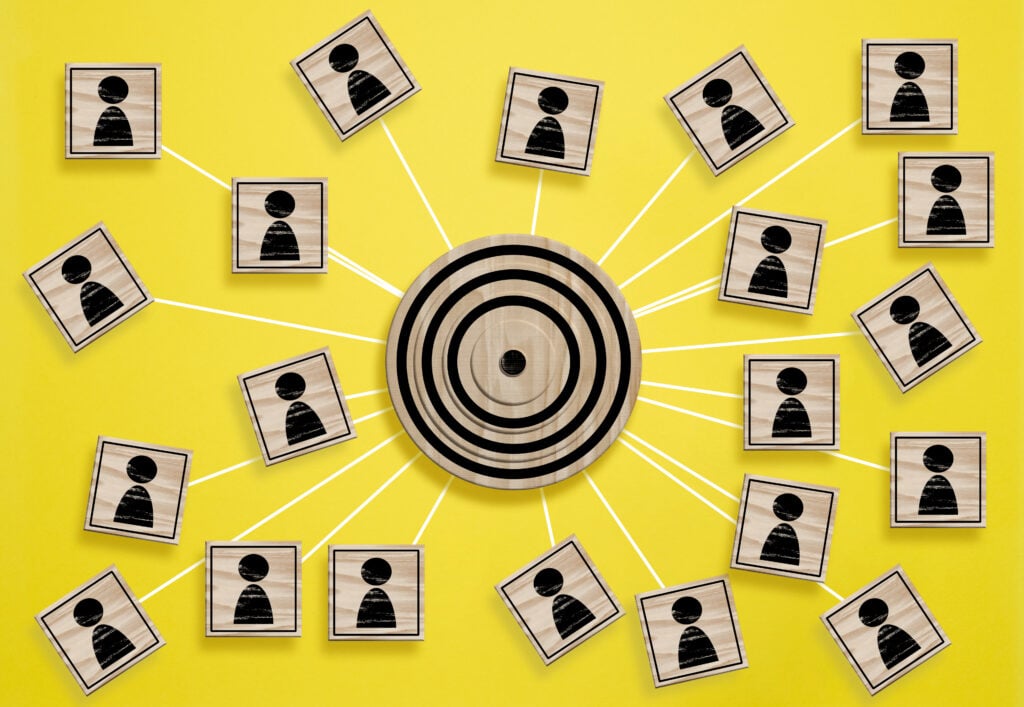
Your target audience is the specific group of people most likely to need, want and pay for what you sell. It is not “everyone”. Trying to sell a product to someone who does not need it wastes time and money, so the goal is to reach the right people with a message that fits their situation.
What market research actually is
Market research is the process of gathering and analysing information about your customers. It can also tell you about competitors and wider industry trends. Think of it as a period of investigation into your business before you start selling in earnest. Done well, it answers a handful of questions that shape everything else you do.
The questions your research needs to answer
- Who is actually going to buy this product?
- What problem is this product trying to solve?
- How much are they willing to spend on it?
- What existing alternatives are already on the market?
If you skip this step, you risk building a product that no one is waiting for. Our full guide on researching your target market walks through each of these questions in more depth.
How to find your target audience step by step
Here is a sequence you can work through. The order matters: research after you have a clear idea of your product or service, otherwise you have nothing concrete to test reactions against.
1. Build a profile of your ideal customer
Write down the characteristics of the person who benefits most from your offer. Include their age, location, income level, job, interests and the specific problem they have. This profile becomes the yardstick you measure every later finding against, and it stops your research drifting towards people who will never buy.
2. Analyse demographics and existing data
Demographics are the measurable traits of a population, such as age, gender, location and income. If you already have customers, study the data you hold on them: what they bought, how often, and what they spent. Patterns in that data are the cheapest, most reliable audience insight available to you.
3. Run interviews and surveys
Interviews may feel time-consuming, but they provide some of the richest insights you can gather. To make them effective:
- Focus on people who match your customer profile.
- Aim for a decent sample size, such as 100 to 150 individuals from your target demographic.
- Recruit through online communities, social platforms or local outreach.
- Ask open-ended questions rather than yes or no ones.
Surveys and questionnaires scale this feedback to larger numbers once you know which questions matter. Together they tell you what people need and how much they might pay, which feeds directly into finding the right pricing strategy for your business.
4. Study your social media engagement
Analyse how people interact with your posts across each platform. Which content earns comments and shares? Who is engaging? Platforms like Facebook are useful for locating both potential customers and competitors, and a single local group can hold hundreds of people who fit your profile.
Understanding competitors and channels
Who does your audience already buy from?
If there is demand for what you sell, someone is probably already meeting it. Research local and online competitors through their websites, social media and directories, and note their service areas, pricing, availability and any extras they offer. Our guide to competitor analysis explains how to turn those observations into gaps you can fill. Understanding a rival’s strengths and weaknesses helps you position your business more competitively.
Reaching your audience once you have found them
Knowing who your audience is only pays off when you meet them where they spend their time. Use your research to choose a marketing channel that fits their habits, and map how they move from first contact to purchase with the marketing funnel. Once campaigns are running, measuring campaign success tells you whether you targeted the right people.
Turning audience research into a financial plan
Audience research produces numbers: how many people fit your profile, how often they buy and what they will pay. Those figures are the foundation of a realistic forecast. In Brixx, you can turn expected customer volumes and prices into a full cash flow forecast, profit and loss statement and balance sheet, then use scenario planning to test a cautious estimate against an optimistic one.
This matters most when the future is uncertain. Modelling the future through financial uncertainty shows how testing what-if scenarios protects your plans. If you are seeking funding, a well-researched audience also strengthens the case you make when finding investors to pitch to.

Turn audience research into a forecast in Brixx
Get started with our forecasting software so that you can plan your business' future
Start your free trial todayKeep refining as you grow
Your audience will not stay the same forever. Repeat these steps regularly so your customer profile keeps pace with who is actually buying. Treat research as an ongoing habit rather than a one-off task, and each round makes your product, pricing and forecasts sharper.