How ChatGPT is Transforming Accounting: 8 Ways to Benefit in 2026
All articles
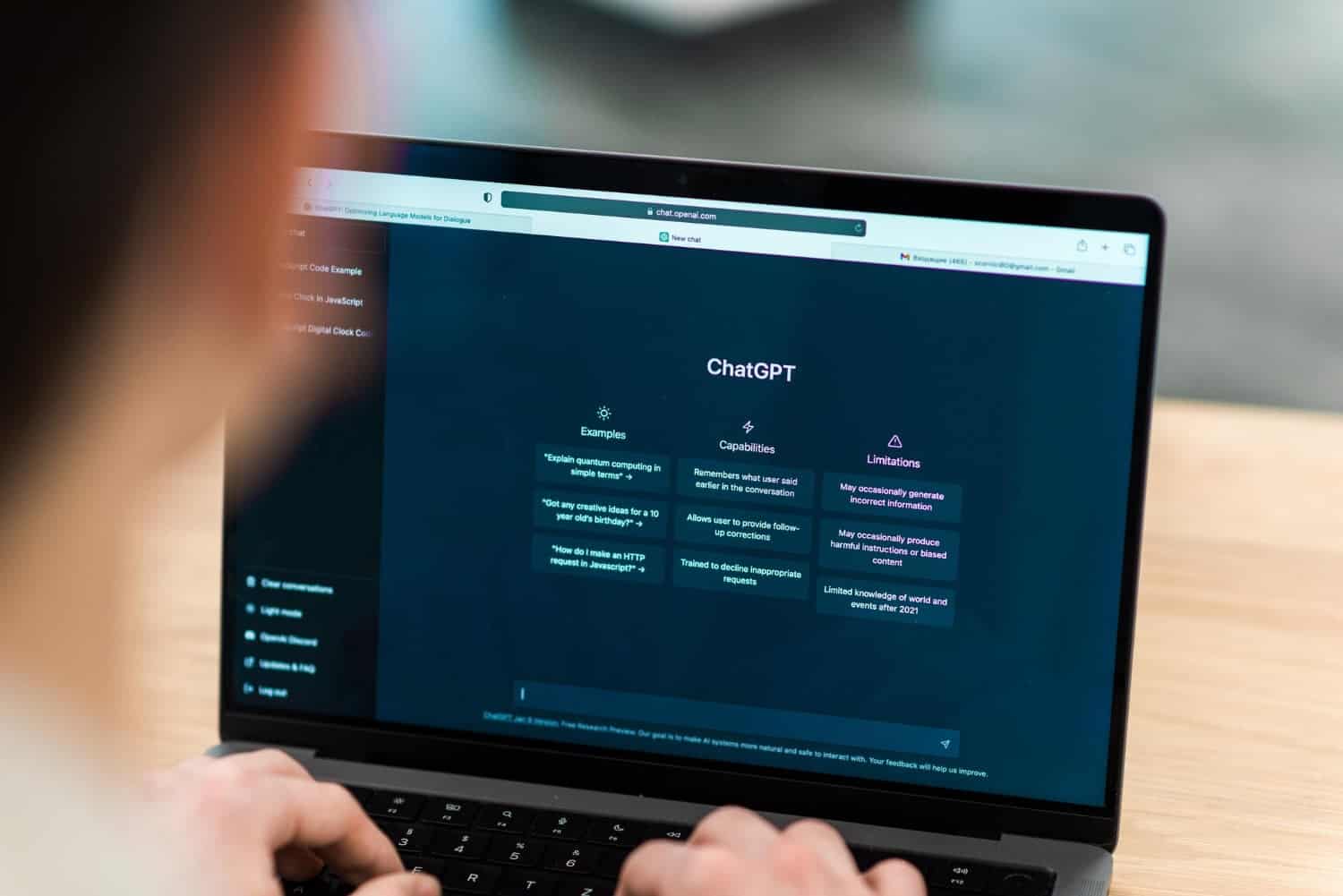
Artificial intelligence is no longer a concept of the future. It is now a practical tool that is reshaping how all businesses operate – including accountancy businesses. OpenAI’s ChatGPT, in particular, currently holds immense potential to redefine the accounting landscape.
With AI going viral and making headlines, it sparks a compelling conversation around the future of AI in accounting and beyond. How will it shape new practices? What opportunities will it create?
From automating repetitive tasks to assisting with financial analysis, ChatGPT and other AI tools have the potential to help professionals work faster and more strategically. But what does that actually mean in day-to-day accounting? Let’s break it down.
What is ChatGPT technology?
ChatGPT stands for Generative Pre-trained Transformer. It’s a type of artificial intelligence (AI) model built for natural language processing (NLP). It uses and understands written language and can generate human-like responses based on context.
ChatGPT can understand and interpret instructions, alongside analysing different types of data. Because of this, it’s being used across all industries – including accounting – to streamline workflow and data-related tasks.

Why should businesses use ChatGPT in accounting?
Adopting AI in finance isn’t about replacing your team. It’s about simplifying those complex tasks and improving your speed of work and efficiency. Here are the key benefits:
1. Better efficiency
Accounting teams often spend hours on repetitive, time-consuming administrative work. ChatGPT can help to make these more efficient. It can automate tasks and help create reports, summarise financial data, and even categorise expenses. This frees up time for higher-value activities like advisory services and strategic planning.
2. Improved accuracy
The use of AI can reduce the risk of human error in manual tasks. While AI still requires oversight, ChatGPT’s ability to reduce this error across your processes is an enormous help. Greater consistency leads to more reliable reporting.
3. Faster financial insights
Modern businesses generate large volumes of financial data – especially those in finance. ChatGPT can process this type of data quickly, highlighting patterns and anomalies or other trends that might otherwise be overlooked. This allows businesses to make more informed decisions.
4. Improved customer service
Accountants regularly communicate with their clients, informing them of tax deadlines or their current financial status. ChatGPT can draft these communicative emails in minutes, helping firms to maintain their excellent client service without increasing workload.
5. Risk monitoring
As ChatGPT can analyse and review data and unusual patterns, it can help in detecting fraud and anomalies. While it doesn’t replace formal audit tools, it adds another layer of review.
6. Cost savings
Automation reduces time spent on repetitive tasks, which leads to significant cost savings. Businesses can reinvest those resources into growth initiatives or strategic advisory services.
8 ways businesses can use ChatGPT in accounting
1. Invoices and expense categorising
Businesses handle invoices daily. Manually sorting and categorising them can be time-consuming and prone to errors. ChatGPT can help by analysing invoice descriptions and assign them to predefined categories, improving efficiency and consistency.
(Always ensure compliance with relevant accounting standards and tax regulations when automating financial processes.)
2. Financial projection
Financial forecasting is critical for budgeting, funding, and planning. Traditionally, this requires complex calculations and structured data handling.
ChatGPT can help by organising your data, drafting summaries, and explaining any assumptions, helping to make the process faster and easier.
3. Financial report generation
Preparing income statements, balance sheets, and cash flow reports takes time. While ChatGPT should not replace accounting software, it can help draft narratives, summarise results, and format content.
Be careful and ensure that you don’t upload any sensitive or confidential information to AI tools without reviewing security policies.
Download FREE financial reporting templates here:
4. Audit preparation support
Auditing involves reviewing large amounts of financial information. ChatGPT can help organise this into appropriate documentation, helping with your reviewing process. It’ll point out any inconsistencies and reduce your overall workload.
5. Customer communication
Communication is a core accounting responsibility, informing clients of tax updates or payment deadlines. ChatGPT can generate these drafts for you, tailored to different audiences, saving you time.
6. Financial data analysis and forecasting
Analysing financial data and forecasting future trends is a vital component of strategic planning. ChatGPT can help businesses understand their financial health and predict future trends.
7. Tax compliance
Tax laws change frequently. ChatGPT can help summarise regulations, draft new documents, and explain general tax concepts. However, complex tax matters still require professional judgment and verification.
8. Fraud detection
Financial fraud is a significant concern for businesses. AI can review transaction patterns and identify irregularities, such as duplicate invoices or unusual spending spikes. While not a substitute for forensic accounting tools, it adds an additional review layer.
Will AI replace accountants?

The short answer is no.
While ChatGPT in accounting can automate repetitive tasks, it cannot replace professional judgment, ethical responsibility, or strategic decision-making.
Here’s why human accountants remain essential:
- Complex decision-making: AI can analyse data, but interpreting context and making nuanced decisions requires experience.
- Client relationships: Emotional intelligence, trust, and negotiation are human strengths.
- Ethical standards: Accountants follow professional codes of conduct and maintain confidentiality.
- Regulatory interpretation: Accounting standards and tax regulations require informed judgment.
- Adaptability: Humans adapt to new financial instruments, evolving regulations, and shifting economic conditions.
Rather than replacing accountants, AI is transforming their role – helping to move from being data processors to better strategic advisors.
The future of accounting with AI
ChatGPT is a powerful assistant, but it works best alongside specialised financial software and experienced professionals.
Dedicated business planning platforms, such as forecasting and scenario-planning tools like Brixx, provide structured financial modelling that AI chat tools alone cannot replicate. Meanwhile, accountants bring expertise, regulatory knowledge, and strategic insight.
The most effective approach combines:
- AI-powered automation
- Robust accounting software
- Professional human oversight
Together, these elements create a more efficient, accurate, and forward-thinking accounting process.
If you’d like to see how Brixx can help with your financial planning, get started today with a free 7-day trial.